AI Safety & Operations
Running the programs and systems for AI Safety organisations
I think the development of Transformative AI is the most important thing happening right now, and the field needs people who can make organisations run. My aim is to get more of these people contributing, while also reducing the load on existing operations teams by automating their work for them. My dream is to not be needed anymore because this all just happens by itself.
As the first employee at Catalyze Impact, I co-ran their incubation program for new AI Safety organisations, overseeing recruitment, selection, program design, and logistics. At ML4Good, I taught sessions on AI agents, adversarial attacks, and AI Safety strategy at a 10-day intensive bootcamp. More recently I’ve been building CRMs, data infrastructure, and automations for AI Safety organisations.
I’ve written about my first year working in AI Safety operations, and I maintain a resources page for people who want to understand the field or move into it.
Projects in this area
All projects →CRM & Data Infrastructure for AI Safety Organisations
I build the infrastructure for AI Safety organisations to manage their contacts, program participants, alumni and donors while automating as much as possible
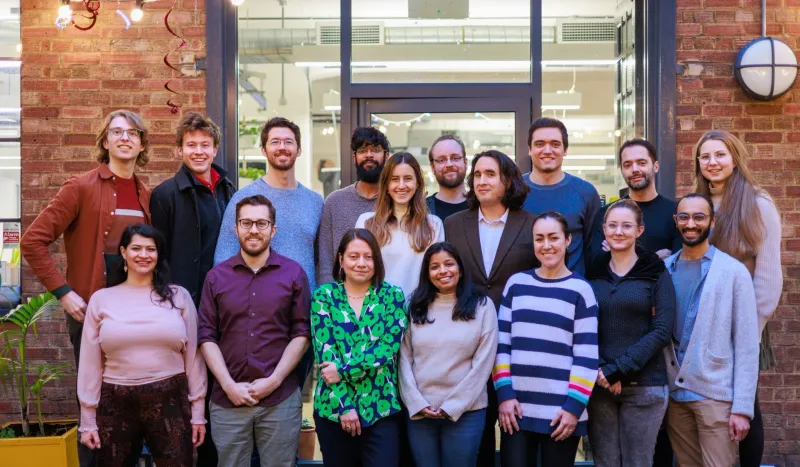
Catalyze Impact
First employee at the incubator for new AI Safety organisations. Co-ran the incubation program end to end
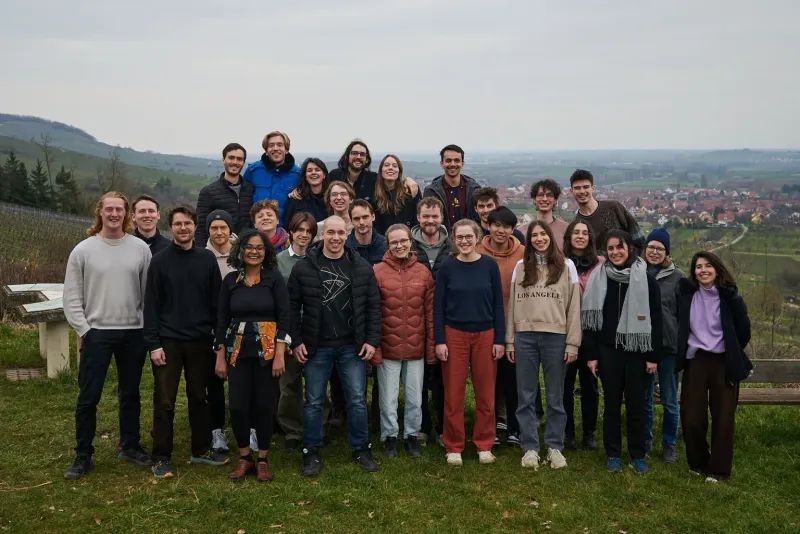
ML4Good EU March 2025
Taught AI agents, adversarial attacks, and AI Safety strategy at a 10-day intensive bootcamp
I build the infrastructure for AI Safety organisations to manage their contacts, program participants, alumni and donors while automating as much as possible
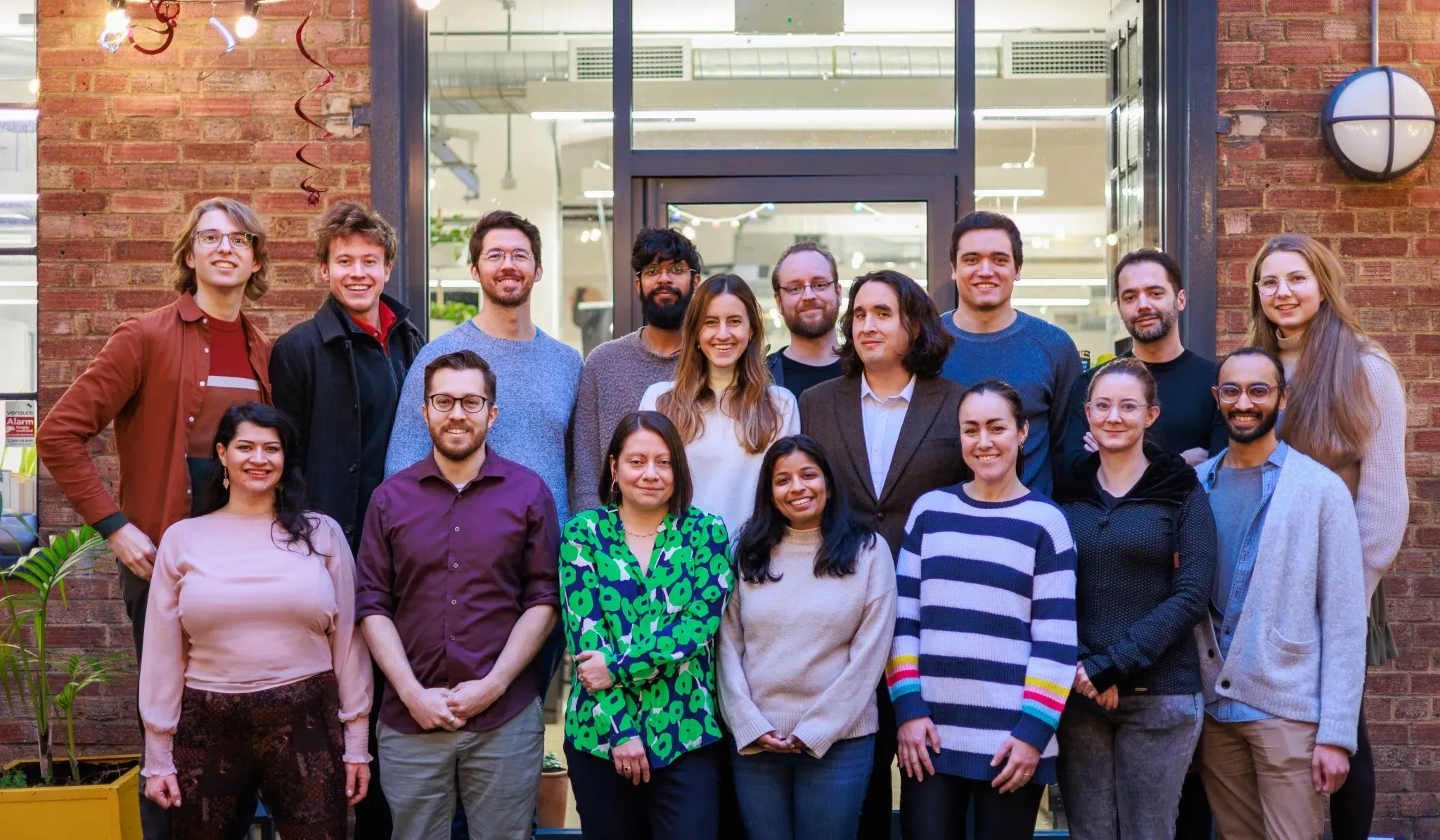
Catalyze Impact incubates new AI Safety organisations. I was their first employee, and for a year and a half I co-ran the incubation program:
- Recruitment: finding promising founders through personalised outreach and social media campaigns.
- Selection: reviewing applications and test tasks, and interviewing candidates.
- Program design and logistics: designing the program, arranging speakers and venues, and organising events and trips.
- Participant support: handling requests from founders during, before and after the program.
I also built the systems everything ran on using Airtable bases and Python scripts that automated the repetitive parts of recruitment and selection, and I made some really great spreadsheets.
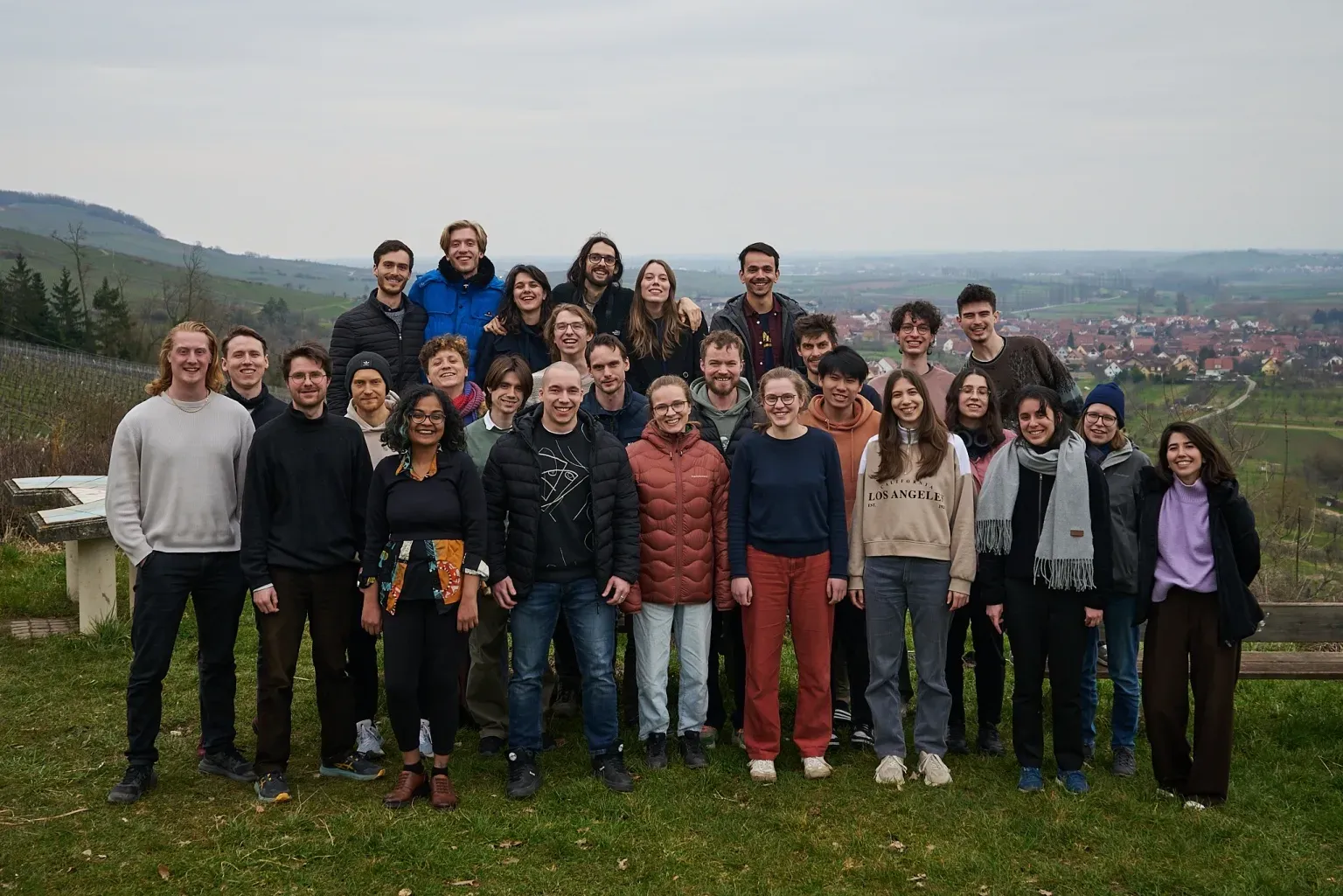
ML4Good runs 10-day intensive bootcamps that take people from “interested in AI Safety” to actually working on it. I was a teaching assistant at the March 2025 Europe camp where I taught the sessions on AI Agents, Adversarial Attacks, and AI Safety strategy, and coached participants through the rest of the curriculum.
Because the atmosphere at a bootcamp is just as important as the curriculum, I also ran the social side, including a welcome event, a murder mystery, lightning talks, and a Scottish ceilidh.